
The Case for More Fun in the Nuke Field
Sean Manning February 26, 2026
That’s right, I think nukes should be more fun. Well, not the nukes exactly, but the field that
works on and studies them, especially those focusing on disarmament and arms control. I’ll
admit, it is not normal to put nukes and “fun” in the same sentence. In a field working on
government coverups, radiation-related sickness, and, of course, armageddon, there is a
temptation, if not the expectation, of full sobriety. While it is paramount to understand and revere
the gravity of the work, a crushing culture of total expertise and sometimes inhumanity for the
sake of sobriety is a recipe for burnout. And, the proof is in the pudding. The nuke field has
had an issue getting and retaining young talent, especially post-pandemic. In a field that is facing
the most dire challenges in decades and is increasingly reliant on useful social media messaging,
getting this talent is more important than ever. There are dozens of reasons for a lack of
newcomers in recent years, but I’d like to talk about a relatively fixable one. The nuke field
needs more fun to combat a tendency toward burnout.
When first considering this blog post, I questioned whether I should write about the general need
for more young people in the nuke field; that there needs to be more hiring, more retention, and
more open positions at the bottom of organizations for newcomers. But, as with so many issues
across the policy world, it is hard to magically produce dozens of new salaries. So, I decided to
focus on this attainable goal instead. And, in doing so, I hope to also offer some implementable
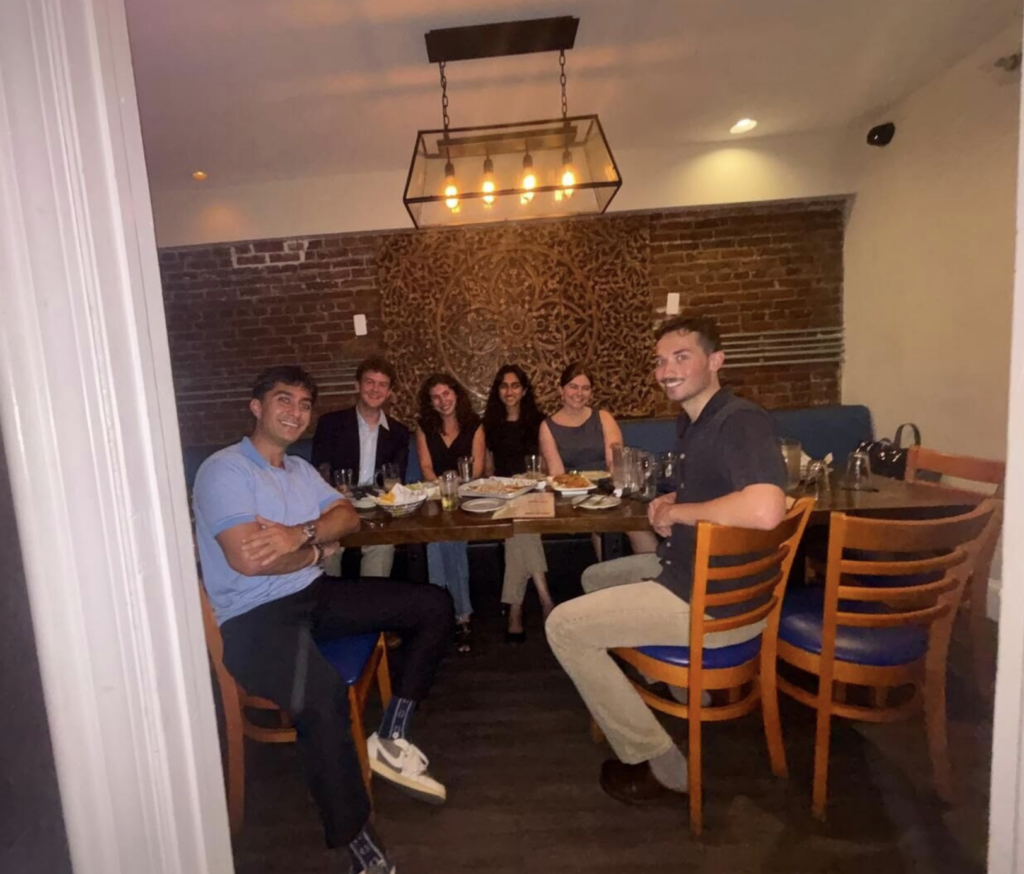
suggestions. In a field where the 9-5 is so heavy, the nuke world must make a stronger effort to
support employees in their 5-9.
Since the pandemic, there has been a dramatic increase in remote work in the policy world writ
large. So many professionals with families, children, and complex lives have benefited massively from the extra time, flexibility, and ease of remote work. But the change has not been without downsides. Especially for more junior staff who have entered the field since the pandemic, there has been widespread anecdotal discussion of isolation. Without access to casual conversation, lunches with colleagues, and all of the extra little moments from in-person interaction, work relationships can feel far more transactional. I have even heard the general sentiment of “it must be hard to connect to the field without meeting most people in-person” from my more senior colleagues.

Based on anecdotal evidence from young colleagues of mine in other fields, as other policy
spaces have shifted to more remote work, there has also been an increased sense of isolation.
But, in many cases, peers at other think tanks/advocacy organizations may be able to supplement
the lack of in-person connection at work with happy hours and peer-to-peer interaction outside of
work. At firms with dozens of research and program assistants, creating spaces for more “fun”
can be easy. Because nonproliferation/disarmament firms are generally not hiring
much these days; there are just fewer young people in the nuclear field. In the typically smaller and
older – due to the high level of expertise necessary for many jobs in the field – nuke-focused
organizations, it is much more common that there be only one or two people below the age of 27
on a team.
To be clear, I am not advocating for a return to in-person work. The massive benefits from
remote work are not something to sneeze at. But the field must do a better job addressing the
downsides of remote work while reaping its benefits. So far, there have been meaningful and
helpful initiatives to fix this problem, such as the Gin & Atomics Happy Hour for young nuke
professionals or more retreats for teams. The Scoville fellowship itself supports Scoville fellows
to have two happy hours per cohort. Even more importantly, many individuals within the field
have organically been extra mindful of supporting and welcoming their younger colleagues,
actions that do not go unnoticed by those of us who have benefited. But, more could be done
to address this; funders/organization leaders need to think more critically about how they are
supporting their young colleagues.
The lack of connection felt by many new entrants in the nuclear field post-COVID is not simply a small internal issue felt by extroverts, it is a serious human resources problem. “Work friends”
are integral for the health of any organization. Studies have shown they lead to longer retention
of employees, better mental health, and, importantly for a field facing an especially difficult
time, more innovative thought. I fear that if the current trend continues, the nuke field could
sleepwalk into leaving a generation-sized hole in expertise from burnout. Especially in an era
where social media and outreach to young people require a level of intuition and in-groupness
To be effective, sometimes only young people are able to market to their peers. It is, therefore, even more imperative that the nuke policy retain its younger members.
Suggestions
One particular atrophy of the post-COVID work environment has been in-person collaboration
between like-minded organizations. Coalition calls are common, but are now almost exclusively
done online. Obviously, that brings with it many of the same benefits that come from online
work, but also the same drawbacks. These drawbacks, a lack of camaraderie, trust, and cohesion,
are extra relevant when the goal of coalition calls is to organize and mobilize a relatively
scattered group of individuals. Coalition groups should consider offering more hybrid meetings,
even just monthly or quarterly, to allow the chance for in-person connection while reaping the
benefits of the existing online system.
Among time outside of work, the field should continue to build on the success of activities like
Gin and Atomics, a happy hour aimed at young professionals across the nuke field. The field
should start similar events and grow institutional support from large organizations. Institutional
backing and the resources of some of the larger firms in the field could go a long way at building
upon the current successes of G&A. As a goal, there should be one non-work event aimed
toward early to mid-career professionals per month. Whether those be in-person talks, happy
hours, or lunches, this would go a long way at increasing morale and camaraderie at a relatively
low cost. It is also paramount to ensure new colleagues and those interested in joining the field
are given the needed information to take advantage of these opportunities.
Finally and most importantly, there needs to be recognition among the field, especially
leadership, that the lack of connection felt by young employees is something worth dealing with.
As I have entered the nuke field as part of the Scoville Peace Fellowship, I have been
overwhelmed by how many incredible, kind, and caring people I have met. They are the reason I
wrote this piece. But, I have also been isolated. There are very few young people, limited
chances for meaningful connection, and frequently challenging work topics. I am not deterred by
these issues, but I hope to open the door to the field even wider behind me. With more
institutional and leadership support, the nuke policy community could not only emulate the
successes of other fields at building up its younger staff, but it also has the chance to become the example of how smaller fields can uplift each other. Especially with the stakes of our work so high, I
believe there is much to be gained from a more supportive and, yes, fun nuke field.
Sean Manning is a Fall 2025 Scoville Fellow for the Global Security Program at the Union of Concerned Scientists.